

In the bustling city of Brisbane, where the pace of life can often be relentless, many individuals find themselves struggling with sleep-related issues. Whether it’s insomnia, sleep apnoea, or restless leg syndrome, these conditions can significantly impact overall health and well-being. Fortunately, sleep testing offers a pathway to understanding and addressing these concerns, paving the way for better, healthier rest.
Understanding Sleep Disorders
Sleep disorders encompass a range of conditions that disrupt normal sleep patterns. Recognising the signs and symptoms of these disorders is the first step towards seeking help. Common sleep disorders include insomnia, characterised by difficulty falling or staying asleep; sleep apnoea, which involves interrupted breathing during sleep; and narcolepsy, which causes excessive daytime sleepiness.
Sleep testing Brisbane offers a vital resource for those seeking to improve their sleep quality and overall health. By understanding the nature of sleep disorders, the testing process, and the importance of lifestyle changes, individuals can take proactive steps towards achieving better, healthier rest. With the right support and interventions, a good night’s sleep is within reach.
Insomnia: The Silent Struggle
Insomnia affects millions of people and can stem from various factors, including stress, anxiety, and lifestyle choices. It not only leads to fatigue but can also contribute to more serious health issues, such as depression and heart disease. Understanding the root causes of insomnia is crucial for effective treatment. For many, the struggle with insomnia can become a vicious cycle, where the anxiety of not being able to sleep exacerbates the problem, leading to a heightened state of alertness that further inhibits relaxation. Cognitive behavioural therapy (CBT) has emerged as a particularly effective treatment, helping individuals to reframe their thoughts and behaviours surrounding sleep, ultimately fostering a healthier relationship with rest.
Read more at: Breaking Down Brisbane Sleep Study Cost Is It Really a Big Investment
Sleep Apnoea: A Hidden Danger
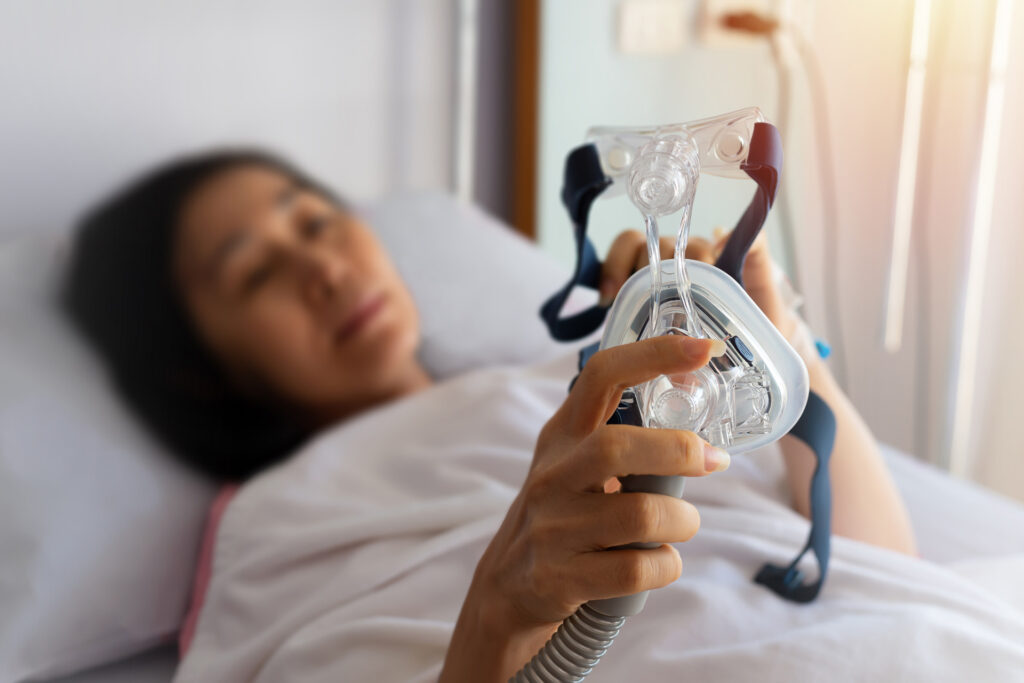
Sleep apnoea is often underdiagnosed, as many individuals are unaware they are experiencing breathing interruptions during sleep. This condition can lead to a host of complications, including high blood pressure, heart problems, and daytime fatigue. Recognising the symptoms, such as loud snoring and gasping for air during sleep, is essential for seeking timely intervention. Moreover, the impact of sleep apnoea extends beyond physical health; it can also affect cognitive function and mood, leading to irritability and difficulties with concentration. Treatment options vary from lifestyle changes, such as weight loss and avoiding alcohol, to the use of continuous positive airway pressure (CPAP) machines, which help keep the airways open during sleep. Understanding the importance of addressing sleep apnoea not only improves individual health but can also enhance overall quality of life, allowing for more restorative sleep and increased daytime alertness. Learn more about pressure on https://www.princeton.edu/~asmits/Bicycle_web/pressure.html
The Importance of Sleep Testing
Sleep testing is a vital tool in diagnosing sleep disorders. It involves monitoring various physiological parameters during sleep to provide a comprehensive overview of an individual’s sleep patterns. This data can help healthcare professionals identify specific issues and recommend appropriate treatment options.

Types of Sleep Tests
There are several types of sleep tests available, each designed to assess different aspects of sleep. The most common include:
- Polysomnography (PSG): This comprehensive test records brain waves, oxygen levels, heart rate, and breathing, providing a detailed picture of sleep stages and disturbances.
- Home Sleep Apnoea Testing (HSAT): This simplified test can be conducted at home and is primarily used to diagnose sleep apnoea by monitoring breathing patterns.
- Actigraphy: This method involves wearing a wrist device that tracks movement and sleep-wake patterns over an extended period.
Choosing the Right Testing Facility
When considering sleep testing in Brisbane, selecting a reputable facility is crucial. Look for centres that are accredited and staffed by qualified professionals. They should offer a comfortable environment for testing and provide clear information about the procedures involved. Click here to find more about environment.
The Sleep Testing Process
Understanding the sleep testing process can alleviate any anxiety associated with it. Typically, the process begins with a consultation where a healthcare provider will discuss symptoms and medical history. This is followed by the actual testing, which may take place in a sleep lab or at home, depending on the type of test.
Preparation for Sleep Testing
Preparation for sleep testing may vary depending on the type of test being conducted. For a polysomnography, individuals may be advised to avoid caffeine and alcohol before the test. It’s also essential to maintain a regular sleep schedule in the days leading up to the test to ensure accurate results.
What to Expect During the Test
During a polysomnography, patients will be connected to various monitoring devices that track their sleep patterns. While this may seem daunting, the environment is designed to be as comfortable as possible, allowing individuals to sleep naturally. Home tests, on the other hand, involve simpler equipment that can be easily set up and used during a regular night’s sleep.
Interpreting Sleep Test Results
Once the sleep test is complete, the results will be analysed by a sleep specialist. This process involves examining the data collected during the test to identify any abnormalities or patterns that indicate a sleep disorder.
Understanding the Findings
The findings from a sleep test can provide valuable insights into an individual’s sleep health. For instance, a high number of apnoea events may indicate sleep apnoea, while irregular sleep patterns might suggest insomnia or other disorders. Understanding these results is essential for developing an effective treatment plan.
Next Steps After Diagnosis
Upon receiving a diagnosis, individuals can explore various treatment options tailored to their specific needs. These may include lifestyle changes, cognitive behavioural therapy for insomnia, or the use of continuous positive airway pressure (CPAP) machines for sleep apnoea. Collaboration with healthcare providers is crucial to ensure the chosen treatment is effective and sustainable.
Lifestyle Changes for Better Sleep
In addition to medical interventions, making certain lifestyle changes can significantly improve sleep quality. These changes often complement treatment plans and can lead to long-term benefits.
Establishing a Sleep Routine
Creating a consistent sleep routine is one of the most effective ways to enhance sleep quality. Going to bed and waking up at the same time each day helps regulate the body’s internal clock, making it easier to fall asleep and wake up refreshed.
Creating a Sleep-Friendly Environment
The sleep environment plays a crucial role in promoting restful sleep. Ensuring that the bedroom is dark, quiet, and cool can help facilitate better sleep. Additionally, investing in a comfortable mattress and pillows can make a significant difference.
When to Seek Help
Recognising when to seek help for sleep issues is essential for maintaining overall health. If sleep problems persist despite making lifestyle changes, it may be time to consult a healthcare professional. Early intervention can prevent more serious health complications down the line.
Signs That Indicate a Need for Sleep Testing
Some signs that may indicate the need for sleep testing include:
- Persistent difficulty falling or staying asleep.
- Excessive daytime sleepiness or fatigue.
- Frequent snoring or gasping during sleep.
- Unexplained mood changes or cognitive difficulties.
Consulting a Sleep Specialist
Consulting a sleep specialist can provide clarity and direction for those struggling with sleep issues. These professionals can offer tailored advice and recommend appropriate testing and treatment options based on individual needs.
Conclusion
Investing in sleep health is not just about feeling rested; it’s about enhancing overall quality of life. As awareness of sleep disorders continues to grow, so does the opportunity for individuals to reclaim their nights and wake up refreshed and ready to face the day.
…