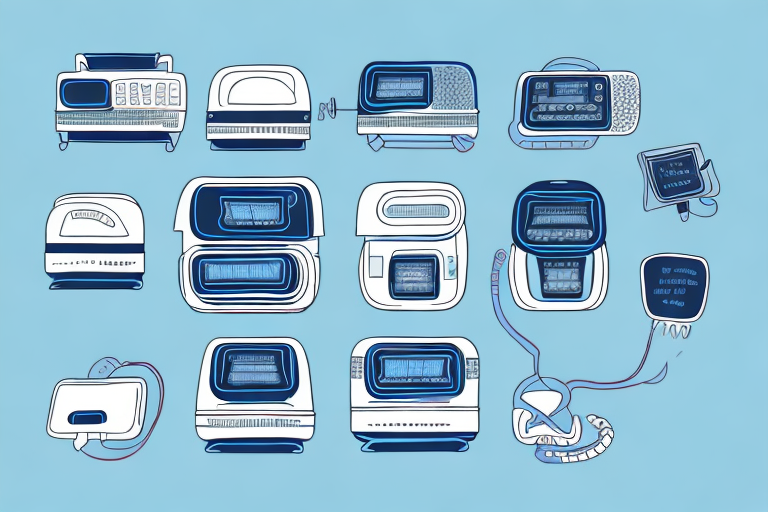
From Snoring to Serious: Understanding the Risks of Untreated Sleep Apnea

Introduction – When Snoring Is More Than a Quirk

Snoring is often treated as nothing more than an amusing bedtime habit. Many couples joke about it, and some even record it for laughs. But for millions of people, snoring is more than just a noisy inconvenience — it’s a possible sign of sleep apnea, a serious sleep disorder where breathing repeatedly stops and starts during the night.

When left untreated, sleep apnea can quietly damage your health, increasing the risk of heart problems, stroke, diabetes, and more. What makes it particularly dangerous is that many people have no idea they’re living with it. They may think they’re simply tired because of a busy lifestyle, when in reality their body is being deprived of oxygen every night.

In this article, we’ll break down what causes sleep apnea, the symptoms to watch for, and the treatment options that can turn disrupted nights into restorative rest.


Causes of Sleep Apnea – Why It Happens

Sleep apnea comes in different forms, but the most common is obstructive sleep apnea (OSA), caused by a physical blockage of the airway. Another type, central sleep apnea (CSA), is linked to the brain not sending proper signals to the muscles that control breathing. A third type, complex sleep apnea, combines elements of both.

See more: Sleep Study Brisbane: Everything You Need to Know Before Booking

Common Risk Factors

  • Excess weight – Extra tissue around the airway can block airflow during sleep.
  • Large neck circumference – A thicker neck often means a narrower airway.
  • Age – The risk increases with age due to reduced muscle tone.
  • Gender – Men are more likely to develop sleep apnea, but women’s cases often go undiagnosed.
  • Family history – Genetics can determine airway shape and susceptibility.
  • Certain health conditions – High blood pressure, type 2 diabetes, and heart disorders can increase risk.

Lifestyle Triggers

  • Alcohol consumption – Relaxes throat muscles, making airway collapse more likely.
  • Smoking – Causes swelling and fluid retention in the airway.
  • Sedative use – Reduces muscle tone and airway stability.
  • Poor sleep position – Sleeping on your back can cause the tongue and soft palate to obstruct breathing.

Example scenario:
Imagine a 50-year-old man who enjoys a couple of glasses of wine before bed. Over the years, he’s gained weight and developed high blood pressure. He snores loudly, but his wife has noticed he sometimes stops breathing for a few seconds. What seems like harmless snoring could be a combination of risk factors and triggers leading to dangerous apnea episodes.


Symptoms – Recognizing the Warning Signs

Sleep apnea symptoms can be split into two categories: those that happen at night (often noticed by a bed partner) and those that show up during the day.

Nighttime Symptoms

  • Loud, chronic snoring
  • Pauses in breathing followed by choking or gasping
  • Restless tossing and turning
  • Frequent nighttime bathroom visits

Daytime Symptoms

  • Morning headaches or sore throat
  • Persistent fatigue, even after 7–8 hours of sleep
  • Difficulty focusing or remembering things
  • Irritability, anxiety, or mood swings

Subtle or Overlooked Signs

Some signs aren’t obviously linked to sleep apnea:

Sleep Apnea
  • Weight gain that seems unrelated to diet or exercise changes
  • High blood pressure that doesn’t respond to medication
  • Decreased libido
  • Falling asleep easily during quiet activities, like reading or watching TV

Example scenario:
A busy mother in her 40s assumes her constant tiredness is due to work and family stress. But when she nods off at a stoplight and starts waking with headaches, she realizes something more serious could be at play. A sleep study later confirms she has moderate obstructive sleep apnea.


Treatment Options – Restoring Your Breath and Your Health

The good news is that sleep apnea is treatable. Choosing the right treatment depends on the type and severity of your condition, as well as your personal comfort and lifestyle needs.

1. CPAP Therapy – The Gold Standard

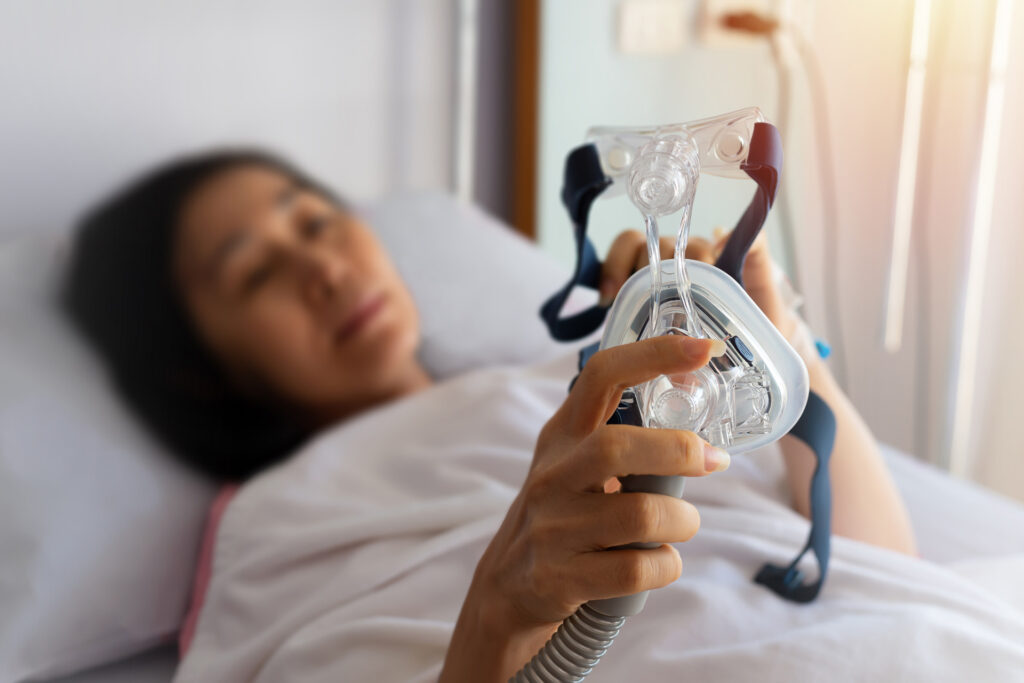
Continuous Positive Airway Pressure (CPAP) therapy delivers a steady stream of air through a mask, keeping the airway open.

  • Benefits: Highly effective in preventing airway collapse, reducing symptoms quickly.
  • Challenges: Adjustment period for mask comfort and noise.
  • Tip: Work with a sleep specialist to find the right mask style and fit — comfort greatly improves adherence.

2. Oral Appliances – A Smaller Solution

Custom-made dental devices reposition the jaw or tongue to keep the airway open during sleep.

  • Best for: Mild to moderate obstructive sleep apnea, or for those unable to tolerate CPAP.
  • Advantages: Compact, quiet, and easy to travel with.

3. Surgery – When Structure Is the Problem

If airway structure is the main cause, surgery may be an option. Procedures can:

  • Remove excess tissue from the throat
  • Correct nasal blockages
  • Reposition the jaw for better airflow

Note: Surgery is usually considered after other treatments have been tried.


4. Lifestyle Adjustments – Supporting Your Treatment

Even with medical therapy, healthy habits can significantly improve symptoms:

  • Lose excess weight – Reduces airway obstruction.
  • Exercise regularly – Boosts muscle tone, including in the airway.
  • Avoid alcohol and sedatives – Keeps throat muscles from relaxing too much.
  • Change sleep position – Side sleeping can help keep the airway open.

Example scenario:
A man with mild sleep apnea uses a dental appliance at night and commits to losing 15 pounds. By combining treatment with lifestyle changes, his symptoms improve so much that his sleep study shows only occasional apnea events.


The Risks of Leaving Sleep Apnea Untreated

Ignoring sleep apnea can lead to far more than daytime fatigue. Over time, the constant drops in oxygen and frequent awakenings put serious strain on the body.

  • Heart health: Increases the risk of high blood pressure, heart attacks, and stroke.
  • Metabolic health: Raises the likelihood of developing insulin resistance and type 2 diabetes.
  • Brain function: Linked to memory issues, difficulty concentrating, and higher dementia risk.
  • Safety: Increases the risk of accidents due to drowsy driving or reduced alertness at work.

Conclusion – Take Snoring Seriously

Not all snoring signals a health crisis, but when it’s accompanied by fatigue, headaches, or observed breathing pauses, it should never be ignored. Sleep apnea might be a silent nighttime disorder, but its effects echo loudly throughout your day — and your life.

If you recognize any of the symptoms we’ve covered, it’s worth scheduling a sleep evaluation. With today’s wide range of treatment options, there’s no reason to let sleep apnea quietly chip away at your health.

A good night’s sleep is more than rest — it’s a foundation for long-term well-being. Addressing sleep apnea could be one of the most important steps you take for your health.


…

Continue Reading
Bulk-Bill Sleep Study Brisbane: Affordable Options for Better Sleep

Sleep is an essential component of overall health and well-being, yet many Australians struggle with sleep disorders that can significantly impact their quality of life. In Brisbane, bulk-billed sleep studies offer an affordable pathway to diagnose and treat these conditions. This article delves into the various aspects of bulk-bill sleep studies in Brisbane, exploring what they entail, how they work, and the benefits they provide for those seeking better sleep.

Understanding Sleep Disorders

Sleep disorders encompass a range of issues that disrupt normal sleep patterns, leading to insufficient rest and various health complications. Common sleep disorders include insomnia, sleep apnoea, restless legs syndrome, and narcolepsy. Understanding these conditions is crucial for recognising the need for a sleep study.

Bulk-billed sleep studies Brisbane represent an accessible and affordable option for individuals seeking to improve their sleep quality. By understanding sleep disorders, the importance of sleep studies, and the benefits of bulk-billing, patients can take proactive steps towards better health and well-being. With the right support and resources, achieving restful sleep is within reach.

Insomnia

Insomnia is characterised by difficulty falling asleep, staying asleep, or waking up too early. It can be caused by stress, anxiety, medical conditions, or lifestyle choices. Chronic insomnia can lead to fatigue, mood disturbances, and impaired cognitive function.

Bulk-Bill Sleep Study Brisbane

Sleep Apnoea

Sleep apnoea is a serious condition where breathing repeatedly stops and starts during sleep. This disorder can lead to significant health risks, including cardiovascular issues and daytime fatigue. Symptoms often include loud snoring, gasping for air during sleep, and excessive daytime sleepiness.

Restless Legs Syndrome

Restless legs syndrome (RLS) is characterised by an uncontrollable urge to move the legs, typically accompanied by uncomfortable sensations. This condition often worsens at night, leading to disrupted sleep and increased fatigue during the day.

Read more on: Sleep Study Brisbane Everything You Need to Know Before Booking

The Importance of Sleep Studies

Sleep studies, also known as polysomnography, are diagnostic tests that monitor various body functions during sleep. These studies are essential for accurately diagnosing sleep disorders, which can lead to effective treatment plans tailored to individual needs.

What Happens During a Sleep Study?

During a sleep study, patients are monitored overnight in a sleep clinic or at home using portable equipment. Various parameters are measured, including brain activity, eye movements, heart rate, and oxygen levels. This data helps healthcare professionals identify specific sleep disorders and their severity. Learn more about severity on https://droughtmonitor.unl.edu/About/AbouttheData/DSCI.aspx

Types of Sleep Studies

  • Polysomnography: A comprehensive study conducted in a sleep lab, monitoring multiple physiological parameters.
  • Home Sleep Apnoea Testing: A simplified test conducted at home, primarily focused on diagnosing sleep apnoea.
  • Multiple Sleep Latency Test: This test measures how quickly a person falls asleep in a quiet environment, helping diagnose narcolepsy.

Bulk-Billing: Making Sleep Studies Accessible

Bulk-billing is a payment option available under the Medicare system in Australia, allowing patients to receive certain medical services without out-of-pocket expenses. This approach significantly increases accessibility to essential healthcare services, including sleep studies.

Eligibility for Bulk-Billing

To qualify for bulk-billing, patients must meet specific criteria, including having a valid Medicare card and being referred by a general practitioner or specialist. It is essential to consult with a healthcare provider to determine eligibility and ensure that the necessary referrals are in place.

Finding Bulk-Billed Sleep Study Services in Brisbane

Brisbane offers several facilities that provide bulk-billed sleep studies, making it easier for residents to access diagnostic services. Patients can search for accredited sleep clinics and hospitals that participate in the bulk-billing scheme. Online directories and local health services can provide valuable information on available options.

Benefits of Bulk-Billed Sleep Studies

Opting for a bulk-billed sleep study presents numerous advantages, particularly for those concerned about the financial implications of seeking help for sleep disorders.

Cost-Effectiveness

One of the most significant benefits of bulk-billed sleep studies is the elimination of out-of-pocket costs. This affordability encourages individuals to seek diagnosis and treatment without the burden of financial strain, leading to improved health outcomes. To find more about elimination click here.

Early Diagnosis and Treatment

Access to affordable sleep studies facilitates early diagnosis of sleep disorders, allowing for timely intervention. Early treatment can prevent the progression of sleep disorders, reducing the risk of associated health complications such as obesity, diabetes, and cardiovascular disease.

Improved Quality of Life

By addressing sleep disorders through bulk-billed sleep studies, individuals can experience significant improvements in their quality of life. Better sleep enhances mood, cognitive function, and overall health, leading to increased productivity and well-being.

Preparing for a Sleep Study

Preparation for a sleep study is crucial to ensure accurate results and a comfortable experience. Patients should follow specific guidelines provided by their healthcare provider or the sleep clinic.

Pre-Study Instructions

  • Avoid caffeine and alcohol in the days leading up to the study, as these substances can interfere with sleep patterns.
  • Maintain a regular sleep schedule to help the body prepare for the study.
  • Bring any necessary medications and personal items to the sleep clinic.

What to Expect on the Night of the Study

On the night of the sleep study, patients will be welcomed by trained technicians who will explain the process and attach monitoring devices. While the environment may feel unfamiliar, the staff will ensure comfort and support throughout the night.

Post-Study Follow-Up

After the sleep study, patients will receive a report detailing the findings and recommendations for treatment. Follow-up appointments with healthcare providers are essential to discuss the results and develop a personalised treatment plan.

Understanding Your Results

Interpreting sleep study results can be complex, but healthcare providers will guide patients through the findings. Understanding the diagnosis is crucial for making informed decisions about treatment options, which may include lifestyle changes, CPAP therapy for sleep apnoea, or medication for insomnia.

Continued Support and Resources

Patients are encouraged to seek ongoing support and resources to manage their sleep disorders effectively. Support groups, educational materials, and counselling can provide valuable assistance in navigating the challenges of sleep disorders.

Section Image

…
Continue Reading
Sleep Study Brisbane: Everything You Need to Know Before Booking

Sleep is an essential component of overall health and well-being, yet many individuals struggle with various sleep disorders that can significantly impact their quality of life. For those residing in Brisbane, a sleep study may be a crucial step towards identifying and addressing these issues. This comprehensive guide aims to provide all the necessary information regarding sleep studies in Brisbane, including what to expect, how to prepare, and the potential benefits of undergoing such an assessment.

What is a Sleep Study?

A sleep study, also known as polysomnography, is a diagnostic test that monitors various physiological parameters during sleep. This assessment is typically conducted in a sleep clinic or at home, depending on the specific requirements of the patient and the type of sleep disorder being investigated.

Booking a sleep study Brisbane can be a pivotal step towards understanding and addressing sleep disorders. With a variety of testing options available, individuals can receive accurate diagnoses and tailored treatment plans to improve their sleep quality and overall health. By preparing adequately and choosing a reputable facility, patients can ensure a smooth and beneficial experience.

During a sleep study, multiple sensors are placed on the body to measure brain activity, eye movements, heart rate, breathing patterns, and oxygen levels. This comprehensive data collection allows healthcare professionals to evaluate sleep stages and identify any abnormalities that may indicate a sleep disorder.

Sleep Study Brisbane

Types of Sleep Studies

There are several types of sleep studies available, each designed to address specific concerns:

  • Polysomnography (PSG): This is the most comprehensive type of sleep study, typically conducted overnight in a sleep clinic. It measures brain waves, oxygen levels, heart rate, and breathing patterns.
  • Home Sleep Apnoea Testing (HSAT): This is a simplified version of a sleep study that can be conducted at home. It primarily focuses on diagnosing obstructive sleep apnoea by monitoring breathing and oxygen levels.
  • Multiple Sleep Latency Test (MSLT): This test is used to measure daytime sleepiness and is often conducted the day after a PSG. It assesses how quickly a person falls asleep in a quiet environment.
  • Maintenance of Wakefulness Test (MWT): This test evaluates a person’s ability to stay awake during the day and is often used for individuals with excessive daytime sleepiness.

Learn more at: Bulk-Bill Sleep Study Brisbane Affordable Options for Better Sleep

Why Consider a Sleep Study?

Understanding the reasons behind sleep disturbances is crucial for effective treatment. A sleep study can provide valuable insights into various sleep disorders, including:

  • Obstructive Sleep Apnoea (OSA): Characterised by repeated interruptions in breathing during sleep, OSA can lead to severe health complications if left untreated.
  • Insomnia: Difficulty falling or staying asleep can be assessed through sleep studies to identify underlying causes.
  • Restless Legs Syndrome (RLS): This condition causes uncomfortable sensations in the legs, leading to disrupted sleep.
  • Parasomnias: Abnormal behaviours during sleep, such as sleepwalking or night terrors, can be evaluated through a sleep study.

Benefits of Undergoing a Sleep Study

There are numerous benefits associated with undergoing a sleep study, including:

  • Accurate Diagnosis: A sleep study provides a comprehensive assessment, allowing for accurate diagnosis and tailored treatment plans.
  • Improved Quality of Life: Identifying and treating sleep disorders can lead to better sleep quality, increased energy levels, and improved overall health.
  • Enhanced Mental Health: Sleep disorders are often linked to mental health issues, and addressing these concerns can lead to improved emotional well-being.
  • Preventing Long-Term Health Risks: Untreated sleep disorders can lead to serious health complications, including cardiovascular disease, diabetes, and obesity.

Preparing for a Sleep Study

Preparation for a sleep study is essential to ensure accurate results. Here are some key steps to consider:

  • Consultation with a Healthcare Professional: Before booking a sleep study, consult with a healthcare provider to discuss symptoms and determine the need for testing.
  • Review Medications: Inform your doctor about any medications you are taking, as some may affect sleep patterns. You may be advised to adjust or discontinue certain medications prior to the study.
  • Avoid Stimulants: It is advisable to avoid caffeine and nicotine in the days leading up to the study, as these substances can interfere with sleep. Read more about nicotine on https://www.ncbi.nlm.nih.gov/books/NBK537066/
  • Follow Pre-Study Instructions: Adhere to any specific instructions provided by the sleep clinic, such as what to wear and when to arrive.
Sleep Study Brisbane

What to Expect During the Sleep Study

Understanding what to expect during a sleep study can help alleviate any anxiety associated with the process. Here’s a breakdown of the experience:

  • Arrival at the Clinic: Upon arrival, you will be greeted by a sleep technician who will explain the procedure and answer any questions you may have.
  • Preparation: You will be asked to change into comfortable sleepwear. The technician will then place sensors on your scalp, face, chest, and legs to monitor various physiological parameters.
  • Sleep Environment: The sleep clinic will provide a comfortable and quiet environment conducive to sleep. You will be monitored throughout the night, and the technician will be available to assist you if needed.
  • Post-Study: After the study, the sensors will be removed, and you can return home. The data collected will be analysed by a sleep specialist, who will provide a report and discuss the findings with you.

Finding a Sleep Study Facility in Brisbane

Brisbane offers several facilities that conduct sleep studies, ranging from hospitals to specialised sleep clinics. When searching for a suitable location, consider the following:

  • Accreditation: Ensure the facility is accredited by relevant health authorities and employs qualified professionals.
  • Services Offered: Look for facilities that provide a range of sleep study options, including both in-lab and home testing.
  • Patient Reviews: Research patient reviews and testimonials to gauge the quality of care and service provided by the facility.
  • Insurance Coverage: Check with your health insurance provider to determine coverage options for sleep studies at various facilities.

Cost of Sleep Studies in Brisbane

The cost of a sleep study can vary significantly depending on the type of study, the facility, and whether it is conducted in a clinic or at home. On average, in-lab sleep studies can range from AUD 1,000 to AUD 2,500, while home sleep tests may cost between AUD 300 and AUD 800.

It is advisable to consult with your healthcare provider and insurance company to understand the potential costs and coverage options available. Some facilities may offer payment plans or financial assistance for those who qualify.

After the Sleep Study: Next Steps

Once the sleep study is complete, the next steps will depend on the findings of the assessment. Here are some common outcomes:

  • Diagnosis: If a sleep disorder is diagnosed, your healthcare provider will discuss treatment options, which may include lifestyle changes, continuous positive airway pressure (CPAP) therapy, or medication. Click here to find more about pressure.
  • Follow-Up Appointments: Regular follow-up appointments may be necessary to monitor progress and adjust treatment plans as needed.
  • Sleep Hygiene Education: Patients may receive guidance on improving sleep hygiene practices to enhance overall sleep quality.

Conclusion

Prioritising sleep is essential for maintaining good health, and seeking professional help through a sleep study can lead to significant improvements in quality of life. If you suspect you may have a sleep disorder, consider taking the first step by consulting with a healthcare professional and exploring the options available for sleep studies in Brisbane.

…
Continue Reading
Breaking Down Brisbane Sleep Study Cost: Is It Really a Big Investment?

Understanding the Importance of Sleep Studies

Sleep is a fundamental aspect of human health, influencing everything from cognitive function to emotional well-being. For those struggling with sleep disorders, a sleep study can provide invaluable insights into their condition. This diagnostic tool is designed to monitor various physiological parameters during sleep, helping healthcare professionals diagnose issues such as sleep apnoea, insomnia, and restless leg syndrome.

In Brisbane, the prevalence of sleep disorders has prompted an increase in the number of sleep studies conducted. However, many potential patients often hesitate due to concerns about the associated costs. Understanding the financial implications of a sleep study is crucial for making an informed decision about one’s health.

What is a Sleep Study?

A sleep study, or polysomnography, is a comprehensive test that records brain waves, oxygen levels, heart rate, and breathing, as well as eye and leg movements during sleep. This data helps specialists evaluate sleep patterns and diagnose disorders. The study can be conducted in a sleep clinic or at home, depending on the specific needs of the patient.

In conclusion, while the cost of a sleep study Brisbane may seem significant, the potential benefits to health and quality of life make it a worthwhile investment for many individuals. Taking the time to understand the process and implications can lead to better sleep and improved overall health.

Typically, a sleep study lasts for one night, although some patients may require multiple nights for a thorough assessment. The results are then analysed by a sleep specialist, who will provide recommendations based on the findings. The environment in which the study takes place is carefully controlled to ensure that the patient can sleep as naturally as possible, which is essential for obtaining accurate results. Patients are often equipped with sensors and electrodes that are non-invasive, allowing for a comfortable experience while still providing comprehensive data.

Brisbane Sleep Study Cost

Why Consider a Sleep Study?

For individuals experiencing chronic fatigue, loud snoring, or other sleep-related issues, a sleep study can be a crucial step towards better health. It not only helps identify underlying problems but also paves the way for effective treatment options. Early diagnosis can prevent potential complications, including cardiovascular issues and metabolic disorders, making the investment in a sleep study worthwhile.

Moreover, the benefits of a sleep study extend beyond mere diagnosis. Many patients report significant improvements in their overall quality of life following treatment for sleep disorders. Addressing issues such as sleep apnoea can lead to enhanced daytime alertness, improved mood stability, and even better performance at work or school. Furthermore, understanding one’s sleep patterns can empower individuals to make lifestyle changes that promote healthier sleep habits, such as establishing a consistent sleep schedule or creating a more conducive sleep environment. This holistic approach to sleep health underscores the importance of seeking professional guidance through a sleep study, especially for those who have long struggled with sleep-related challenges.

Learn more on: Sleep Testing Brisbane Your Path to Better, Healthier Rest

Cost Breakdown of Sleep Studies in Brisbane

The cost of a sleep study in Brisbane can vary significantly based on several factors, including the type of study, the facility, and whether the study is conducted in a clinic or at home. On average, patients can expect to pay anywhere from £1,000 to £3,000 for a comprehensive sleep study.

While this may seem steep, it is essential to consider what is included in the price. Many facilities offer a package that encompasses the study itself, analysis of results, and follow-up consultations. Understanding these components can help patients assess the overall value of the investment.

Brisbane Sleep Study Cost

Types of Sleep Studies

There are primarily two types of sleep studies: in-lab polysomnography and home sleep apnoea testing (HSAT). In-lab studies are more comprehensive and typically more expensive due to the advanced equipment and monitoring provided. Conversely, HSATs are generally less costly but may not capture the full spectrum of sleep disorders.

Patients should discuss with their healthcare provider which type of study is most appropriate for their symptoms, as this can impact the overall cost. In-lab polysomnography, for instance, involves an overnight stay in a specialised sleep clinic where a range of physiological parameters are monitored, including brain activity, eye movements, heart rate, and oxygen levels. This level of detail can be crucial for diagnosing complex sleep disorders such as narcolepsy or REM sleep behaviour disorder, which may not be detected through home testing. Read more about physiological on https://admissions.uiowa.edu/academics/human-physiology

Insurance and Payment Options

Many health insurance plans in Australia cover a portion of the costs associated with sleep studies. Patients are encouraged to check with their insurance providers to understand their coverage options. Additionally, some facilities offer payment plans or financing options to help manage the financial burden.

It is advisable to obtain a detailed estimate before proceeding with the study, ensuring that all potential costs are accounted for. This transparency can help alleviate any financial concerns and allow patients to focus on their health. Furthermore, some clinics may provide additional resources, such as educational materials or support groups, which can be beneficial for patients navigating their sleep disorders. Engaging with these resources can enhance the overall experience and provide a more comprehensive understanding of sleep health, ultimately contributing to better outcomes.

Is the Investment Worth It?

When considering the cost of a sleep study, it is crucial to weigh the potential benefits against the financial investment. Sleep disorders can lead to serious health complications if left untreated, including obesity, diabetes, and cardiovascular diseases. By identifying and addressing these issues early, patients can improve their quality of life and potentially save on future healthcare costs.

Moreover, the insights gained from a sleep study can lead to tailored treatment plans, improving sleep quality and overall well-being. For many, the investment in a sleep study is not just about immediate costs but rather about long-term health benefits. Click here to read more about treatment.

Long-term Health Benefits

Improved sleep can lead to enhanced cognitive function, better emotional regulation, and increased productivity. Patients often report feeling more energised and focused after receiving appropriate treatment for their sleep disorders. This improvement can have a ripple effect on various aspects of life, from personal relationships to professional performance.

Additionally, addressing sleep issues can reduce the risk of developing other health problems, ultimately leading to lower healthcare costs in the long run. Thus, the initial investment in a sleep study can be seen as a proactive step towards maintaining overall health.

Patient Testimonials

Many individuals who have undergone sleep studies in Brisbane report positive experiences and significant improvements in their quality of life. Testimonials often highlight how the study helped them identify previously undiagnosed conditions, leading to effective treatment and better sleep.

These personal accounts serve as a reminder of the value of investing in one’s health. While the cost may seem daunting, the potential benefits are profound and far-reaching.

Conclusion: Making an Informed Decision

Deciding whether to invest in a sleep study is a personal choice that should be based on individual circumstances and health needs. Understanding the costs involved, the types of studies available, and the potential benefits can help patients make an informed decision.

For those experiencing sleep difficulties, consulting with a healthcare professional is the first step. They can provide guidance on whether a sleep study is necessary and help navigate the associated costs. Ultimately, prioritising sleep health is an investment in overall well-being, and for many, a sleep study is a crucial part of that journey.

Further Resources

For those considering a sleep study, numerous resources are available to provide additional information. Websites dedicated to sleep health can offer insights into the latest research and treatment options. Furthermore, local support groups can connect individuals with others who have faced similar challenges, providing a sense of community and shared experience.

…
Continue Reading
Sleep Testing Brisbane: Your Path to Better, Healthier Rest

In the bustling city of Brisbane, where the pace of life can often be relentless, many individuals find themselves struggling with sleep-related issues. Whether it’s insomnia, sleep apnoea, or restless leg syndrome, these conditions can significantly impact overall health and well-being. Fortunately, sleep testing offers a pathway to understanding and addressing these concerns, paving the way for better, healthier rest.

Understanding Sleep Disorders

Sleep disorders encompass a range of conditions that disrupt normal sleep patterns. Recognising the signs and symptoms of these disorders is the first step towards seeking help. Common sleep disorders include insomnia, characterised by difficulty falling or staying asleep; sleep apnoea, which involves interrupted breathing during sleep; and narcolepsy, which causes excessive daytime sleepiness.

Sleep testing Brisbane offers a vital resource for those seeking to improve their sleep quality and overall health. By understanding the nature of sleep disorders, the testing process, and the importance of lifestyle changes, individuals can take proactive steps towards achieving better, healthier rest. With the right support and interventions, a good night’s sleep is within reach.

Sleep Testing Brisbane

Insomnia: The Silent Struggle

Insomnia affects millions of people and can stem from various factors, including stress, anxiety, and lifestyle choices. It not only leads to fatigue but can also contribute to more serious health issues, such as depression and heart disease. Understanding the root causes of insomnia is crucial for effective treatment. For many, the struggle with insomnia can become a vicious cycle, where the anxiety of not being able to sleep exacerbates the problem, leading to a heightened state of alertness that further inhibits relaxation. Cognitive behavioural therapy (CBT) has emerged as a particularly effective treatment, helping individuals to reframe their thoughts and behaviours surrounding sleep, ultimately fostering a healthier relationship with rest.

Read more at: Breaking Down Brisbane Sleep Study Cost Is It Really a Big Investment

Sleep Apnoea: A Hidden Danger

Sleep apnoea is often underdiagnosed, as many individuals are unaware they are experiencing breathing interruptions during sleep. This condition can lead to a host of complications, including high blood pressure, heart problems, and daytime fatigue. Recognising the symptoms, such as loud snoring and gasping for air during sleep, is essential for seeking timely intervention. Moreover, the impact of sleep apnoea extends beyond physical health; it can also affect cognitive function and mood, leading to irritability and difficulties with concentration. Treatment options vary from lifestyle changes, such as weight loss and avoiding alcohol, to the use of continuous positive airway pressure (CPAP) machines, which help keep the airways open during sleep. Understanding the importance of addressing sleep apnoea not only improves individual health but can also enhance overall quality of life, allowing for more restorative sleep and increased daytime alertness. Learn more about pressure on https://www.princeton.edu/~asmits/Bicycle_web/pressure.html

The Importance of Sleep Testing

Sleep testing is a vital tool in diagnosing sleep disorders. It involves monitoring various physiological parameters during sleep to provide a comprehensive overview of an individual’s sleep patterns. This data can help healthcare professionals identify specific issues and recommend appropriate treatment options.

Sleep Testing Brisbane

Types of Sleep Tests

There are several types of sleep tests available, each designed to assess different aspects of sleep. The most common include:

  • Polysomnography (PSG): This comprehensive test records brain waves, oxygen levels, heart rate, and breathing, providing a detailed picture of sleep stages and disturbances.
  • Home Sleep Apnoea Testing (HSAT): This simplified test can be conducted at home and is primarily used to diagnose sleep apnoea by monitoring breathing patterns.
  • Actigraphy: This method involves wearing a wrist device that tracks movement and sleep-wake patterns over an extended period.

Choosing the Right Testing Facility

When considering sleep testing in Brisbane, selecting a reputable facility is crucial. Look for centres that are accredited and staffed by qualified professionals. They should offer a comfortable environment for testing and provide clear information about the procedures involved. Click here to find more about environment.

The Sleep Testing Process

Understanding the sleep testing process can alleviate any anxiety associated with it. Typically, the process begins with a consultation where a healthcare provider will discuss symptoms and medical history. This is followed by the actual testing, which may take place in a sleep lab or at home, depending on the type of test.

Preparation for Sleep Testing

Preparation for sleep testing may vary depending on the type of test being conducted. For a polysomnography, individuals may be advised to avoid caffeine and alcohol before the test. It’s also essential to maintain a regular sleep schedule in the days leading up to the test to ensure accurate results.

What to Expect During the Test

During a polysomnography, patients will be connected to various monitoring devices that track their sleep patterns. While this may seem daunting, the environment is designed to be as comfortable as possible, allowing individuals to sleep naturally. Home tests, on the other hand, involve simpler equipment that can be easily set up and used during a regular night’s sleep.

Interpreting Sleep Test Results

Once the sleep test is complete, the results will be analysed by a sleep specialist. This process involves examining the data collected during the test to identify any abnormalities or patterns that indicate a sleep disorder.

Understanding the Findings

The findings from a sleep test can provide valuable insights into an individual’s sleep health. For instance, a high number of apnoea events may indicate sleep apnoea, while irregular sleep patterns might suggest insomnia or other disorders. Understanding these results is essential for developing an effective treatment plan.

Next Steps After Diagnosis

Upon receiving a diagnosis, individuals can explore various treatment options tailored to their specific needs. These may include lifestyle changes, cognitive behavioural therapy for insomnia, or the use of continuous positive airway pressure (CPAP) machines for sleep apnoea. Collaboration with healthcare providers is crucial to ensure the chosen treatment is effective and sustainable.

Lifestyle Changes for Better Sleep

In addition to medical interventions, making certain lifestyle changes can significantly improve sleep quality. These changes often complement treatment plans and can lead to long-term benefits.

Establishing a Sleep Routine

Creating a consistent sleep routine is one of the most effective ways to enhance sleep quality. Going to bed and waking up at the same time each day helps regulate the body’s internal clock, making it easier to fall asleep and wake up refreshed.

Creating a Sleep-Friendly Environment

The sleep environment plays a crucial role in promoting restful sleep. Ensuring that the bedroom is dark, quiet, and cool can help facilitate better sleep. Additionally, investing in a comfortable mattress and pillows can make a significant difference.

When to Seek Help

Recognising when to seek help for sleep issues is essential for maintaining overall health. If sleep problems persist despite making lifestyle changes, it may be time to consult a healthcare professional. Early intervention can prevent more serious health complications down the line.

Signs That Indicate a Need for Sleep Testing

Some signs that may indicate the need for sleep testing include:

  • Persistent difficulty falling or staying asleep.
  • Excessive daytime sleepiness or fatigue.
  • Frequent snoring or gasping during sleep.
  • Unexplained mood changes or cognitive difficulties.

Consulting a Sleep Specialist

Consulting a sleep specialist can provide clarity and direction for those struggling with sleep issues. These professionals can offer tailored advice and recommend appropriate testing and treatment options based on individual needs.

Conclusion

Investing in sleep health is not just about feeling rested; it’s about enhancing overall quality of life. As awareness of sleep disorders continues to grow, so does the opportunity for individuals to reclaim their nights and wake up refreshed and ready to face the day.

…
Continue Reading
How Much Does Glaucoma Surgery Cost in Australia? A Pricing Guide

Understanding the basics of glaucoma surgery

Glaucoma surgery is often recommended for individuals diagnosed with glaucoma, a group of eye conditions that can lead to vision loss and blindness. The surgery aims to lower intraocular pressure (IOP), which is crucial in managing the disease. Understanding the nature of glaucoma and the surgery associated with it is essential for patients and their families.

What is glaucoma and who is at risk?

Glaucoma is primarily characterised by damage to the optic nerve, typically caused by high pressure within the eye. It can develop silently and without noticeable symptoms until it reaches an advanced stage. Those most at risk include individuals over the age of 60, people with a family history of the condition, and those suffering from other health issues like diabetes or hypertension.

Ultimately, glaucoma surgery is vital for those whose condition is progressing despite treatment and whose vision is at risk. Various surgical options exist, including trabeculectomy and minimally invasive glaucoma surgeries (MIGS), each tailored to the specific needs of the patient. These procedures not only aim to lower IOP but also to improve the quality of life by allowing patients to engage in daily activities without the constant worry of vision loss. Understanding the potential outcomes and risks associated with these surgeries can empower patients to make informed decisions about their treatment options.

Race and ethnicity can also play a significant role, with certain populations, particularly those of African and Hispanic descent, being more susceptible. Moreover, individuals with long-term exposure to corticosteroids may also have an elevated risk of developing glaucoma. It is worth noting that early detection is crucial, as timely intervention can significantly mitigate the risk of severe vision impairment. Regular eye examinations, especially for high-risk groups, are recommended to monitor eye health and catch any signs of glaucoma early.

glaucoma surgery

The necessity of glaucoma surgery

In many cases, glaucoma can be managed with medications, such as eye drops designed to reduce intraocular pressure. However, when medications are insufficient, surgical intervention becomes necessary. This is particularly important for preserving vision and preventing further deterioration of the optic nerve. The decision to proceed with surgery is often influenced by eye pressure readings, the general condition of the optic nerve, and the patient’s overall health.

The different types of glaucoma surgery

There are various surgical options available for patients diagnosed with glaucoma, each tailored to the specific needs of the individual and the severity of their condition. Understanding these types can be beneficial for anyone considering surgery as a treatment option.

Laser surgery for glaucoma

One of the most common forms of glaucoma surgery is laser surgery, which can be performed as an outpatient procedure. There are different types of laser surgery, including selective laser trabeculoplasty (SLT) and argon laser trabeculoplasty (ALT). These procedures aim to enhance the drainage of fluid from the eye, effectively lowering intraocular pressure.

Laser surgeries are often less invasive, have shorter recovery times, and can be performed alongside other treatment methods, such as medications. They have proven effective for many patients, potentially delaying or eliminating the need for more invasive surgical procedures. Moreover, advancements in laser technology have made these procedures even more precise, allowing for targeted treatment that minimises damage to surrounding tissues, which is crucial for preserving vision in the long term.

Trabeculectomy: An overview

Trabeculectomy is a more traditional surgical procedure used to treat glaucoma. During this operation, a small section of the eye’s sclera (the outer layer of the eye) is removed to create a new drainage pathway for the aqueous humour. This helps lower intraocular pressure significantly.

While trabeculectomy can be highly effective, it requires longer recovery times and carries a risk of complications, such as infection or scarring. Nevertheless, many patients find the potential benefits outweigh the risks, especially when other treatments have failed. Post-operative care is essential, as patients may need to attend regular follow-up appointments to monitor the success of the surgery and manage any potential complications, ensuring the best possible outcome for their vision. Read more about complications on

Glaucoma drainage devices

In some cases, a glaucoma drainage device, also referred to as a shunt, may be implanted to help control eye pressure. These devices work by drawing fluid out of the eye and into a collection reservoir or plate. They are typically used for patients where other surgical options would not be successful due to the severity of their condition.

Glaucoma drainage devices can be particularly beneficial for patients who have had previous surgeries that did not yield successful results, although they also carry risks of complications such as infection and inflammation. The choice of a drainage device often depends on various factors, including the patient’s overall health, the specific type of glaucoma, and the prior surgical history. Additionally, the long-term management of these devices may involve regular monitoring and adjustments to ensure optimal performance and to prevent potential complications, highlighting the importance of a collaborative relationship between the patient and their ophthalmologist.

Factors influencing the cost of glaucoma surgery

The cost of glaucoma surgery can vary widely among different patients and treatment types. Several factors can influence these costs, making it important for patients to be informed about what to expect.

The role of the surgeon’s experience

The experience and qualifications of the surgeon can significantly impact the overall cost of glaucoma surgery. Highly experienced surgeons, particularly those who specialise in complex glaucoma cases, may command higher fees due to their extensive training and proven track record. Patients are often encouraged to seek surgeons with specialised experience in the type of surgery they require for confidence in their treatment.

Ultimately, while cost is a consideration, the quality of care and anticipated outcomes should remain a top priority when choosing a surgeon. It is also worth noting that many surgeons offer consultations where patients can discuss their specific conditions and treatment options, which can provide valuable insights into the expected costs and potential outcomes. This initial meeting can also help establish a rapport, allowing patients to feel more comfortable and informed about the surgical journey ahead.

Geographical location and its impact on cost

The geographical location in which the surgery is performed can influence the overall cost as well. Major cities such as Sydney and Melbourne may have higher healthcare fees compared to those in rural areas due to the cost of living and demand for specialised services.

Patients should consider not only the surgery costs but also related expenses, such as travel and accommodation if surgery is performed outside their local area. This holistic assessment will provide a clearer picture of what the procedure may ultimately cost. Additionally, some regions may have more advanced medical facilities or greater access to cutting-edge technologies, which can also affect pricing. Therefore, patients should research the availability of resources in their area and weigh the benefits of travelling for surgery against the convenience of local options.

glaucoma surgery

The influence of the type of surgery on cost

Different surgical procedures for glaucoma come with varying price tags. Typically, more complex surgeries involving longer operating times or extensive post-operative care will be costlier than simpler procedures. For instance, laser surgeries tend to be less expensive compared to traditional surgical methods like trabeculectomy or drainage device implantation.

Patients are advised to discuss various options with their surgeon to understand the costs associated with each method and find the most appropriate and cost-effective solution for their individual needs. Furthermore, the choice of anaesthesia and the length of hospital stay can also contribute to the overall expenses. Some patients may require an overnight stay for monitoring, while others might be eligible for same-day discharge, thus impacting the final bill. Understanding these nuances can empower patients to make informed decisions about their treatment and financial planning.

The average cost of glaucoma surgery in Australia

Understanding the average costs associated with glaucoma surgery is vital for those considering this treatment. Prices can vary depending on the type of surgery, the surgeon’s expertise, and geographical location.

Breakdown of the costs

On average, glaucoma surgery can range significantly in price. Basic laser eye surgery can cost between AUD 1,500 to AUD 3,000, while more complex procedures like trabeculectomy may range from AUD 5,000 to AUD 10,000 or more. This variability in pricing is commonly influenced by the factors discussed earlier, including the surgeon’s expertise and location.

Patients should consult with their healthcare provider to obtain precise estimates tailored to their specific situation and needs. Additionally, discussing the exact components of the costs involved, including hospital fees and any accompanying treatments, can provide a comprehensive understanding of potential financial outlays.

Potential additional costs

In addition to the surgical costs, patients should be aware of potential additional expenses. These may include pre-operative consultations, follow-up visits, necessary medications, and any further treatments required post-surgery. It’s crucial to account for these additional costs in the overall budget to avoid unexpected financial burden.

Some patients may also need to consider lifestyle changes or adaptive devices following surgery, which could further contribute to the …

Continue Reading
How a Glaucoma Specialist Can Help Manage Your Condition

Understanding the role of a glaucoma specialist

A glaucoma specialist is an eye care professional who possesses advanced training and expertise in diagnosing and managing glaucoma, a group of eye diseases that can lead to irreversible vision loss if left untreated. These specialists are often ophthalmologists who have completed additional fellowship training specifically in glaucoma. This expertise enables them to employ the most effective methods for preventing vision loss and preserving eye health.

The importance of early detection and treatment

One of the most critical aspects of managing glaucoma is early detection. Vision loss due to glaucoma is often gradual and not immediately noticeable; therefore, regular eye examinations are essential. Glaucoma specialists use various diagnostic tools to assess the optic nerve’s health and measure intraocular pressure, which is a key factor in the disease’s progression.

Early intervention can significantly slow down or even halt the progression of the disease. By identifying glaucoma in its early stages, specialists can implement a management plan that may include medications, regular monitoring, or surgical options as needed. This proactive approach not only preserves vision but also promotes a better quality of life for patients.

The role of a glaucoma specialist extends beyond just the treatment of the disease. They are pivotal in educating patients about their condition, helping them understand the significance of the disease and the importance of adhering to treatment plans. A strong patient-specialist relationship facilitates clear communication about concerns, treatment options, and lifestyle changes that may impact the progression of glaucoma.

glaucoma specialist

The specialist’s approach to patient care

A glaucoma specialist adopts a comprehensive and patient-centred approach to care. This begins with a thorough evaluation of the patient’s medical history and the potential risk factors contributing to glaucoma. Specialists engage in meaningful conversations with their patients to understand their unique circumstances, which play a crucial role in tailoring individual treatment plans.

Following diagnosis, the specialist’s role includes continuous education about the condition. They empower patients to take charge of their health by providing clear, concise information about treatment options, potential side effects, and the importance of adherence to prescribed therapies. By fostering a collaborative environment, glaucoma specialists can build trust and ensure that patients feel supported throughout their management journey.

Moreover, glaucoma specialists often collaborate with other healthcare professionals to provide a holistic approach to patient care. This might involve coordinating with general practitioners, optometrists, and even dietitians to address lifestyle factors that could influence the disease’s progression. For instance, research has shown that a balanced diet rich in antioxidants can support eye health, and specialists may recommend dietary changes alongside medical treatments. Such interdisciplinary collaboration not only enhances the effectiveness of the treatment but also ensures that patients receive comprehensive care tailored to their specific needs.

In addition to clinical care, many glaucoma specialists are involved in research and advocacy efforts aimed at improving awareness and understanding of the disease. They may participate in clinical trials to explore new treatment options or contribute to educational campaigns that inform the public about the importance of regular eye examinations. This commitment to advancing the field of glaucoma care not only benefits their patients but also contributes to the broader community by fostering a greater understanding of this often-overlooked condition.

The comprehensive glaucoma assessment

When visiting a glaucoma specialist, one can expect a thorough and systematic assessment of their eye health. The comprehensive glaucoma assessment is designed to evaluate the extent of the disease and determine the most appropriate treatment strategy.

What to expect during your appointment

During your appointment with a glaucoma specialist, you will undergo several tests to assess the condition of your eyes. Initially, the specialist will take a detailed medical history and perform a visual acuity test to determine how well you see. Following this, a tonometry test will be conducted to measure the pressure inside your eyes.

Additionally, a specialist may perform a visual field test to check for any loss of peripheral vision, as glaucoma can affect side vision before central vision. Optical coherence tomography (OCT) may also be used to obtain detailed images of the optic nerve, which helps in assessing any potential damage caused by the disease. These tests are crucial as they not only provide a snapshot of your current eye health but also establish a baseline for future comparisons, allowing the specialist to monitor any changes over time. Read more about nerve on https://my.clevelandclinic.org/health/body/22584-nerves

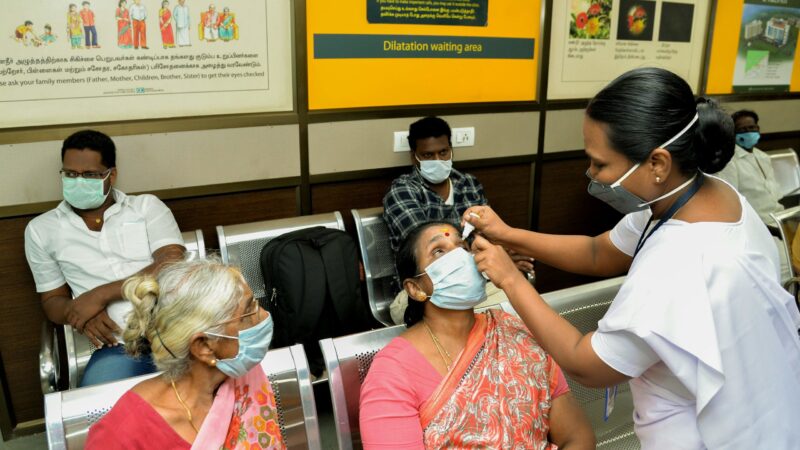
Moreover, the assessment may include a dilated eye exam, where the specialist uses special drops to widen your pupils. This allows for a more comprehensive view of the internal structures of your eyes, including the retina and optic nerve head. The dilation process can be a bit uncomfortable, but it is vital for a complete evaluation. The specialist may also discuss your family history of eye diseases, as genetics can play a significant role in the development of glaucoma, making it essential to consider hereditary factors in your assessment.

Interpreting the results of your glaucoma tests

After the assessment, the glaucoma specialist will discuss the results with you in detail. They will explain what the tests indicate about your eye health, including the presence of any damage to the optic nerve and the level of intraocular pressure. Understanding your results is crucial, as this information forms the basis for any necessary treatment plans.

If any issues are identified, the specialist will devise a management strategy tailored to your needs. They will ensure that you understand the implications of the test results and the next steps you can take to manage your glaucoma effectively. Open dialogue during this process is essential to achieving optimal outcomes. Furthermore, the specialist may provide educational resources or recommend support groups, as connecting with others facing similar challenges can be invaluable in navigating the emotional and practical aspects of living with glaucoma. It is important to feel empowered and informed about your condition, as this can significantly enhance your overall well-being and adherence to treatment protocols.

Treatment options for glaucoma

Managing glaucoma often involves various treatment options, each designed to lower intraocular pressure and protect the optic nerve from further damage. The choice of treatment depends on the type and severity of glaucoma, as well as individual patient factors.

Medications and their role in glaucoma management

Medications are usually the first line of defence in managing glaucoma. They work by either reducing the production of fluid in the eye or increasing the drainage of fluid. Eye drops are the most common form of medication prescribed, and there are several different classes available, each with their mechanism of action.

It’s essential for patients to follow the prescribed regimen closely, as missing doses can lead to increased pressure and potential vision loss. The glaucoma specialist will schedule regular follow-ups to monitor the effectiveness of the medications and make adjustments as necessary. Additionally, patients are encouraged to maintain open communication with their healthcare providers regarding any side effects or difficulties they may encounter with their treatment, as this can significantly influence the success of the management plan. Click here to learn more about communication.

Beyond traditional medications, new advancements in pharmacotherapy are emerging, including sustained-release drug delivery systems that can provide longer-lasting effects with fewer applications. These innovations aim to improve adherence to treatment regimens, which is crucial in managing a condition that often has no symptoms until significant damage has occurred.

Surgical interventions for advanced glaucoma

For patients with advanced or uncontrolled glaucoma, surgical options may be appropriate. Surgical interventions aim to lower intraocular pressure through various methods, such as creating a new drainage pathway for fluid or implanting drainage devices.

These procedures can be very effective, but like any surgery, they carry risks and potential complications. A glaucoma specialist will carefully evaluate the patient’s situation before recommending surgery and will provide detailed information about what to expect during and after the procedure. Post-operative care is also a critical component of the surgical process, as patients may need to adhere to a strict regimen of follow-up appointments and medications to ensure the best possible outcome.

Moreover, there are various types of surgical techniques available, including trabeculectomy, which involves creating a small flap in the eye to facilitate fluid drainage, and minimally invasive glaucoma surgeries (MIGS) that aim to reduce intraocular pressure with less trauma to the eye. These options allow for a tailored approach to treatment, taking into consideration the patient’s specific type of glaucoma and overall health, which can lead to improved quality of life and preservation of vision in the long term.

glaucoma specialist

The ongoing management of glaucoma

Once diagnosed, glaucoma requires lifelong management to prevent progression and preserve vision. Ongoing care involves regular monitoring and adjustments to the management plan as needed.

Regular check-ups and monitoring your condition

Regular check-ups with your glaucoma specialist are essential to monitor the health of your eyes and the effectiveness of your treatment plan. During these appointments, various tests will be re-evaluated to ensure that intraocular pressure remains within a safe range and to identify any changes in vision early …

Continue Reading
Emerging Trends in Retinal Treatments: An Overview

The field of retinal treatments has seen significant advancements in recent years, with emerging trends offering new hope for patients with retinal diseases. In this article, we will provide an overview of these exciting developments and explore their potential impact on the future of retinal treatments.

Understanding the Basics of Retinal Diseases

Before delving into the latest trends in retinal treatments, it is essential to have a basic understanding of retinal damage symptoms and retinal diseases. The retina is a thin layer of tissue located at the back of the eye that is responsible for capturing light and sending visual signals to the brain. This remarkable structure is composed of several layers, each with a specific function in the visual process.

Unfortunately, this delicate tissue is susceptible to various diseases and conditions that can impair vision. Understanding the types of retinal diseases and their impact on vision is crucial for recognizing symptoms and seeking appropriate medical care.

There are several common types of retinal diseases, each with its own unique characteristics and effects. These conditions can significantly impact a person’s quality of life and require specialized treatment and management.

Common Types of Retinal Diseases

Age-related macular degeneration (AMD) is the leading cause of vision loss in people over the age of 50. It affects the macula, the central part of the retina responsible for sharp, central vision. AMD can lead to blurred or distorted vision and, in severe cases, complete loss of central vision. This condition can be classified as either dry AMD, which involves the gradual breakdown of the macula, or wet AMD, which is characterized by the growth of abnormal blood vessels beneath the retina.

Diabetic retinopathy is a complication of diabetes that affects blood vessels in the retina. Over time, high blood sugar levels can damage these blood vessels, leading to vision impairment or even blindness if left untreated. This condition can progress through different stages, starting with mild nonproliferative retinopathy and potentially advancing to severe proliferative retinopathy, where abnormal blood vessels grow on the surface of the retina.

Retinal detachment occurs when the retina is pulled away from its normal position. This can be caused by trauma, previous eye surgery, or conditions like nearsightedness. Immediate medical attention is needed to prevent permanent vision loss. Symptoms of retinal detachment may include the sudden appearance of floaters, flashes of light, or a curtain-like shadow over the visual field.

Retinitis pigmentosa is a genetic disorder that causes degeneration of the retina’s photoreceptor cells. It typically leads to progressive vision loss and can eventually result in total blindness. This condition often manifests with night blindness, followed by a gradual loss of peripheral vision and, in advanced stages, central vision impairment.

Emerging Trends in Retinal Treatments

Symptoms and Diagnosis of Retinal Diseases

The symptoms of retinal diseases can vary depending on the specific condition. However, some common signs include blurred vision, loss of peripheral vision, floaters, and flashes of light. It is crucial to seek medical attention if any of these symptoms are experienced, as early detection and intervention can significantly improve outcomes.

To diagnose retinal diseases, ophthalmologists typically perform a comprehensive eye examination, including a dilated eye exam, visual acuity test, and imaging tests such as optical coherence tomography (OCT) or fluorescein angiography. These tests allow for a detailed assessment of the retina’s structure and function, aiding in the identification and characterization of retinal diseases.

Early detection and diagnosis are crucial for effective treatment and management of retinal diseases. Therefore, regular eye exams are highly recommended, especially for individuals at higher risk, such as those with diabetes or a family history of retinal diseases. By staying proactive about eye health and seeking timely medical care, individuals can maximize their chances of preserving their vision and maintaining a good quality of life. You can also read about Maximizing Your Sleep Quality on the Go: The Benefits of the ResMed AirMini for Frequent Travelers by clicking here.

Traditional Approaches to Retinal Treatment

For many years, traditional approaches such as laser therapy, vitrectomy, and medication have been the mainstays of retinal treatment.

Retinal diseases can have a significant impact on an individual’s vision and overall quality of life. Fortunately, there are several treatment options available to address these conditions. Let’s explore some of the traditional approaches in more detail.

Laser Therapy

Laser therapy, also known as photocoagulation, uses a laser to focus high-energy beams of light onto the retina. This treatment is often used to seal leaking blood vessels, cauterize abnormal blood vessels, or repair retinal tears. By precisely targeting the affected areas, laser therapy can help slow the progression of some retinal diseases and preserve vision.

During the procedure, the patient may experience a sensation of warmth or mild discomfort. However, local anesthesia is typically administered to minimize any potential discomfort. The duration of the treatment depends on the specific condition being treated and the extent of the retinal damage.

Although laser therapy has proven to be effective in certain cases, it is not suitable for all retinal diseases. Some conditions, such as macular degeneration, may require alternative treatment approaches. It is crucial for healthcare professionals to carefully evaluate each patient’s unique circumstances and determine the most appropriate course of action.

Vitrectomy

Vitrectomy is a surgical procedure that involves removing the vitreous gel from the eye and replacing it with a clear saline solution. This procedure is commonly performed to treat conditions such as retinal detachment, macular holes, and vitreous hemorrhage. By removing the vitreous gel, vitrectomy helps restore or improve vision by allowing light to focus correctly on the retina.

Before the surgery, the patient undergoes a thorough evaluation to assess their overall health and suitability for the procedure. The surgery itself is performed under local or general anesthesia, depending on the patient’s needs and the surgeon’s preference. The duration of the procedure can vary, but it typically ranges from one to three hours.

While vitrectomy has shown promising results, it is an invasive procedure that carries some risks and requires a period of recovery. After the surgery, patients may experience mild discomfort, redness, and blurred vision. It is essential to follow the post-operative care instructions provided by the healthcare team to ensure proper healing and minimize the risk of complications. Not all retinal diseases can be effectively treated with vitrectomy alone, and alternative treatment options may be necessary.

Medication and Injections

Medications and injections, such as anti-VEGF drugs and steroids, are often used in the treatment of retinal diseases like macular degeneration and diabetic retinopathy. These medications work by reducing inflammation, preventing abnormal blood vessel growth, or slowing the progression of the disease.

Injected directly into the eye, these medications can help stabilize or improve vision in some cases. The procedure is performed in a sterile environment, and local anesthesia is administered to ensure patient comfort. The frequency of injections varies depending on the specific condition and the patient’s response to treatment.

While medication and injections can be effective, there are potential side effects that need to be carefully monitored. Patients may experience temporary discomfort, redness, or increased intraocular pressure following the injection. Regular follow-up appointments with the healthcare team are essential to assess the treatment’s effectiveness and manage any potential complications.

In conclusion, traditional approaches to retinal treatment, such as laser therapy, vitrectomy, and medication, have been instrumental in managing various retinal diseases. Each treatment option has its benefits and considerations, and healthcare professionals play a crucial role in determining the most suitable approach for each individual. Ongoing research and advancements in technology continue to expand the possibilities for retinal treatment, offering hope for improved outcomes and quality of life for patients.

Emerging Trends in Retinal Treatments

Recent years have witnessed the advent of several innovative approaches to retinal treatments that show great promise in improving patient outcomes.

Gene Therapy for Retinal Diseases

Gene therapy holds tremendous potential for the treatment of inherited retinal diseases caused by gene mutations. This cutting-edge approach involves delivering functional genes into the retina to replace faulty ones or enhance the production of essential proteins.

Studies have shown promising results with gene therapy, with some patients experiencing significant vision improvements. While the technology is still relatively new, ongoing research and clinical trials are paving the way for its wider application in the future.

Stem Cell Therapy: A New Hope

Stem cell therapy offers a revolutionary approach to treating retinal diseases by replacing or regenerating damaged retinal cells. Stem cells, known for their ability to develop into different cell types, can potentially restore vision by replacing the dysfunctional cells in the retina.

While stem cell therapy is still in its early stages of development, it has already shown promising results in clinical trials. Researchers are exploring different sources of stem cells, including embryonic stem cells, induced pluripotent stem cells, and adult stem cells, to optimize the therapy’s safety and efficacy. You can also read about Signs and symptoms of type 1 diabetes by visiting https://www.rch.org.au/kidsinfo/fact_sheets/Diabetes_/

Microchip Implants for Retinal Diseases

Microchip implants, also known as retinal prostheses or …

Continue Reading
Understanding the Basics of Retinal Diseases and Their Treatments

The retina plays a crucial role in our vision, but it is also prone to various diseases that can significantly impact our eyesight. In this article, we will delve into the basics of retinal diseases, explore their treatments, and discuss how individuals can navigate life with these conditions.

What is the Retina and Its Function?

The retina is a thin layer of tissue that lines the back of the eye. Its main function is to convert light into electrical signals that can be interpreted by the brain, allowing us to see the world around us. This complex process involves several structures and cells working together seamlessly.

But how exactly does the retina accomplish this remarkable task? Let’s dive deeper into the anatomy and function of this incredible part of our visual system.

Anatomy of the Retina

To understand retinal diseases better, it is essential to have some knowledge about the different parts that make up the retina. The retina consists of several layers, each with a specific role in the visual process. These include the photoreceptor cells, bipolar cells, ganglion cells, and various supporting cells.

Let’s start with the photoreceptor cells, which are the stars of the show. These cells, known as rods and cones, are responsible for capturing light and converting it into electrical signals. Rods are more sensitive to dim light and are mainly responsible for peripheral and night vision. On the other hand, cones are responsible for color vision and visual acuity, allowing us to see fine details and vibrant colors.

Once the light is captured by the photoreceptor cells, the bipolar cells come into play. These cells receive the electrical signals from the rods and cones and transmit them to the ganglion cells. The ganglion cells then bundle together to form the optic nerve, which carries the visual information to the brain for interpretation.

Supporting cells, such as Müller cells and horizontal cells, play important roles in maintaining the structure and function of the retina. Müller cells provide structural support and help regulate the chemical environment of the retina, while horizontal cells help facilitate communication between neighboring cells.

Role of the Retina in Vision

Without a healthy retina, our visual system cannot function optimally. The retina acts as the initial point of contact for light entering the eye, and any damage or disease affecting its structures can disrupt the entire visual process.

Retinal Diseases and Their Treatments

Retinal diseases can manifest in various ways, leading to vision loss, distortions, or other visual disturbances. Some common retinal diseases include age-related macular degeneration, diabetic retinopathy, and retinal detachment. Each of these conditions affects different parts of the retina and can have varying degrees of impact on vision.

Age-related macular degeneration (AMD) is a progressive disease that affects the macula, the central part of the retina responsible for sharp, detailed vision. It can cause a gradual loss of central vision, making it difficult to read, recognize faces, or perform other tasks that require clear vision.

Diabetic retinopathy, as the name suggests, is a complication of diabetes that affects the blood vessels in the retina. Over time, high blood sugar levels can damage these blood vessels, leading to vision loss. Early detection and management of diabetes are crucial in preventing or slowing down the progression of diabetic retinopathy. Click here to read about Top 5 Sleep Apnea Machines: An In-Depth Comparison and Buying Guide for 2023.

Retinal detachment is a medical emergency that occurs when the retina separates from the underlying layers. This separation can disrupt the blood supply to the retina, causing permanent vision loss if not promptly treated. Symptoms of retinal detachment include sudden flashes of light, floaters, and a curtain-like shadow over the visual field.

Understanding the different types of retinal diseases is crucial in recognizing symptoms and seeking appropriate treatment. Regular eye exams and maintaining overall eye health are essential in preserving the function of the retina and ensuring optimal vision throughout life.

Common Types of Retinal Diseases

Retinal diseases can result from a combination of genetic and environmental factors. While some conditions may be age-related, others can be associated with underlying health conditions such as diabetes. Here are three common types of retinal diseases:

Age-Related Macular Degeneration

Age-related macular degeneration (AMD) is a progressive condition that primarily affects the macula, which is responsible for sharp central vision. AMD can cause a gradual loss of central vision, making it difficult to read, recognize faces, or perform detailed tasks.

There are two main types of AMD: dry AMD and wet AMD. Dry AMD accounts for the majority of cases and involves the gradual breakdown of the macular tissue. This breakdown can lead to the formation of small, yellow deposits called drusen, which can interfere with the normal functioning of the macula. Wet AMD, although less common, is more severe and often characterized by abnormal blood vessel growth beneath the retina. These abnormal blood vessels can leak fluid or blood, causing further damage to the macula.

Research suggests that various factors, such as smoking, obesity, and family history, can increase the risk of developing AMD. Regular eye examinations and lifestyle modifications, such as a healthy diet and exercise, can help reduce the risk and slow the progression of the disease.

Diabetic Retinopathy

Diabetic retinopathy is a complication of diabetes that affects the blood vessels in the retina. Elevated blood sugar levels can lead to damage or blockage of these blood vessels, affecting the delivery of oxygen and nutrients to the retina.

Initially, diabetic retinopathy may not cause noticeable symptoms. However, as the condition progresses, individuals may experience blurred vision, floaters, and even complete vision loss if left untreated. The severity of diabetic retinopathy can vary, with stages ranging from mild nonproliferative retinopathy to severe proliferative retinopathy.

Managing blood sugar levels and maintaining good overall diabetes control are crucial in preventing or slowing the progression of diabetic retinopathy. Regular eye examinations, along with appropriate medical interventions such as laser treatment or injections, can help preserve vision and prevent complications. Visit https://raisingchildren.net.au/guides/a-z-health-reference/type-1-diabetes to read about Type-1 diabetes.

Retinal Detachment

Retinal detachment occurs when the retina separates from the surrounding layers, disrupting its blood supply and visual function. This can happen due to trauma, age-related changes, or underlying conditions like nearsightedness.

Symptoms of retinal detachment can include sudden flashes of light, a curtain-like shadow across the visual field, or a sudden decrease in vision. If left untreated, retinal detachment can lead to permanent vision loss. Prompt medical attention is crucial to prevent further damage and restore visual function.

Treatment for retinal detachment typically involves surgical procedures to reattach the retina to its proper position. The specific technique used depends on the severity and location of the detachment. Following surgery, patients may need to limit physical activity and avoid certain positions to facilitate proper healing.

Regular eye examinations and early detection of underlying conditions, such as nearsightedness or other retinal diseases, can help identify individuals at higher risk for retinal detachment. Taking appropriate preventive measures, such as wearing protective eyewear during activities that may pose a risk to the eyes, can also help reduce the likelihood of retinal detachment.

Symptoms and Diagnosis of Retinal Diseases

Recognizing the early signs of retinal diseases is crucial for timely intervention and treatment. Here are some common symptoms indicative of retinal diseases:

Recognizing the Early Signs

Early signs of retinal diseases can vary depending on the specific condition. Some general symptoms to be aware of include blurred vision, decreased visual acuity, distorted or wavy vision, floaters (spots or cobwebs in your visual field), and sudden visual disturbances.

If you experience any of these symptoms, it is important to consult an ophthalmologist for a comprehensive evaluation. They will perform various diagnostic tests to confirm the diagnosis and determine the most appropriate course of action.

Diagnostic Tests for Retinal Diseases

A thorough examination of the retina is essential for diagnosing retinal diseases accurately. Ophthalmologists may use specialized tools and techniques to evaluate the eye’s structures and assess any abnormalities or damage.

Common diagnostic tests for retinal diseases include visual acuity tests, dilated eye exams, optical coherence tomography (OCT), fluorescein angiography, and electroretinography (ERG). These tests provide valuable insights into the condition of the retina, helping guide treatment decisions.

Treatment Options for Retinal Diseases

Advancements in medical science have led to various treatment options for retinal diseases. The choice of treatment depends on the specific condition, its severity, and the individual’s overall health. Here are some common treatment modalities:

Medication and Drug Therapies

Several retinal diseases can be managed with medications and drug therapies. For example, injections of anti-vascular endothelial growth factor (anti-VEGF) agents are often used to treat wet AMD by reducing abnormal blood vessel growth.

Corticosteroids may also be prescribed to decrease inflammation and manage symptoms in some retinal diseases. These medications can be delivered via injections or implantable devices.

Surgical Treatments

In certain cases, surgical intervention may be recommended to address retinal diseases. Procedures such as retinal laser therapy, vitrectomy, and retinal detachment repair aim to repair or remove damaged …

Continue Reading
Top 5 Sleep Apnea Machines: An In-Depth Comparison and Buying Guide for 2023

Sleep apnea is a common condition that affects a lot of people worldwide. It is a disorder characterized by intermittent breathing during sleep, leading to oxygen deprivation in the body. If left untreated, sleep apnea can lead to several health complications, including high blood pressure, cardiovascular disease, diabetes, and even stroke. Luckily, there are effective treatment options for sleep apnea, and one of the most popular ones is using sleep apnea machines. In this article, we will provide you with an in-depth comparison and buying guide for the top 5 sleep apnea machines for 2023.

Introduction to Sleep Apnea and Its Treatment

Understanding Sleep Apnea

Sleep apnea is a common sleep disorder that affects millions of people worldwide. It is a condition in which your breathing is interrupted while sleeping. These pauses can last anywhere from a few seconds to a minute and can happen up to several hundred times a night. The most common type of sleep apnea is Obstructive Sleep Apnea (OSA), which occurs when the soft tissue in your throat collapses, blocking the airway. Central Sleep Apnea (CSA) is another type of sleep apnea, and it is caused by the brain’s failure to send proper signals to the muscles that control breathing.

It is important to note that sleep apnea can affect anyone, regardless of age or gender. However, certain factors can increase your risk of developing sleep apnea, such as obesity, smoking, alcohol consumption, and a family history of sleep apnea.

Importance of Sleep Apnea Treatment

It is crucial to seek treatment for sleep apnea because it can lead to several serious health issues. Sleep apnea can cause excessive daytime sleepiness, fatigue, and headaches. If left untreated, sleep apnea can cause high blood pressure, heart disease, stroke, and even death. By treating sleep apnea, you can improve your overall quality of life and reduce your risk of developing serious health problems.

There are several treatment options available for sleep apnea, including lifestyle changes, surgery, and the use of sleep apnea machine.

Top 5 Sleep Apnea Machines: An In-Depth Comparison and Buying Guide for 2023

How Sleep Apnea Machines Work

A sleep apnea machine, also known as a Continuous Positive Airway Pressure (CPAP) machine, is a common treatment option for sleep apnea. It works by delivering a continuous flow of air through a mask that covers your nose or mouth. The air pressure keeps your airway open, ensuring that you breathe easily while sleeping. Sleep apnea machines come in different types, and they vary in terms of features, noise level, size, and portability. When choosing a sleep apnea machine, there are several factors that you need to consider.

One of the most important factors to consider when choosing a sleep apnea machine is the noise level. Some machines can be quite loud, which can be disruptive to your sleep and your partner’s sleep. Additionally, you should consider the size and portability of the machine, especially if you plan on traveling with it.

It is important to note that using a sleep apnea machine can take some getting used to. It may feel uncomfortable at first, and it can take some time to find the right mask and air pressure settings that work for you. However, with time and patience, most people are able to adjust to using a sleep apnea machine and experience significant improvements in their sleep quality and overall health.

In conclusion, sleep apnea is a serious sleep disorder that can have significant health consequences if left untreated. If you suspect that you may have sleep apnea, it is important to seek medical attention and explore your treatment options. With the right treatment, you can improve your sleep quality, reduce your risk of developing serious health problems, and enjoy a better quality of life.

Factors to Consider When Choosing a Sleep Apnea Machine

Sleep apnea is a common sleep disorder that affects millions of people worldwide. It is a condition where your breathing repeatedly stops and starts while you sleep, which can cause fatigue, daytime sleepiness, and other health problems. Fortunately, sleep apnea machines are available to help manage this condition. However, choosing the right sleep apnea machine can be overwhelming, given the numerous options available in the market. In this article, we will discuss the factors to consider when choosing a sleep apnea machine.

Type of Sleep Apnea Machine

As mentioned earlier, there are several types of sleep apnea machines available in the market. The most common type is the Continuous Positive Airway Pressure (CPAP) machine, which delivers a continuous flow of air pressure to keep your airway open. However, other types of sleep apnea machines may be more suitable for your needs. For instance, a Bi-level Positive Airway Pressure (BiPAP) machine may be more appropriate if you have trouble exhaling against the pressure of a CPAP machine. Alternatively, an Automatic Positive Airway Pressure (APAP) machine may be more suitable if you have varying air pressure needs throughout the night. Therefore, it is essential to consult a sleep specialist to determine which type of machine is best for you.

Top 5 Sleep Apnea Machines: An In-Depth Comparison and Buying Guide for 2023

Noise Level

Noise level is another essential factor to consider when choosing a sleep apnea machine. Some machines can be noisy, which can be disruptive to your sleep and that of your partner. However, newer models come with noise-reducing features such as special masks and hoses that minimize noise. Additionally, some machines have a quiet mode, which reduces the noise level significantly. Therefore, it is essential to choose a machine that produces minimal noise to ensure a peaceful sleep environment.

Size and Portability

The size and portability of a sleep apnea machine are also crucial factors to consider, especially if you travel frequently. The machine should be lightweight and compact enough to fit in your luggage. Additionally, some machines come with travel cases and battery packs, making them more convenient to use on-the-go. Therefore, it is essential to choose a machine that is easy to transport and does not take up too much space.

Ease of Use and Maintenance

The ease of use and maintenance of a sleep apnea machine is another critical factor to consider. The machine should be easy to operate, with a user-friendly interface that allows you to adjust the air pressure and other settings easily. Additionally, the machine should be easy to clean and maintain, with replaceable parts that are readily available. Therefore, it is essential to choose a machine that comes with clear instructions and features that simplify maintenance tasks.

Price and Insurance Coverage

The cost of a sleep apnea machine varies depending on the type and features. Some machines are more expensive than others, and you want to choose a machine that fits within your budget. However, it is essential to note that cheaper machines may not have all the features you need to manage your sleep apnea effectively. Additionally, it is vital to check with your insurance provider to see if they cover any or all of the costs of a sleep apnea machine. Some insurance plans may cover the cost of the machine entirely, while others may cover a portion of the cost.

In conclusion, choosing the right sleep apnea machine is essential for managing your sleep apnea effectively. Consider the factors discussed above when choosing a machine to ensure that you get the best machine for your needs.

Top 5 Sleep Apnea Machines for 2023

Sleep apnea is a common sleep disorder that affects millions of people worldwide. It occurs when a person’s breathing is interrupted during sleep, leading to snoring, gasping, and even waking up abruptly. Fortunately, sleep apnea machines can help manage this condition by providing continuous positive airway pressure (CPAP), automatic positive airway pressure (APAP), or bilevel positive airway pressure (BiPAP) therapy. In this article, we will review the top 5 sleep apnea machines for 2023.

Top 5 Sleep Apnea Machines: An In-Depth Comparison and Buying Guide for 2023

1. Sleep Apnea Machine A: Overview and Features

Sleep Apnea Machine A is a CPAP machine that features a compact design, making it easy to travel with. Its small size does not compromise its performance, as it delivers effective therapy to alleviate sleep apnea symptoms. With a noise level of 26 dB, it is one of the quietest sleep apnea machines on the market, ensuring a peaceful night’s sleep. The machine comes with a humidity control system that adds moisture to the air, preventing dryness and irritation in the airways. It also features an easy-to-use interface that allows you to adjust the air pressure and other settings to your preference.

2. Sleep Apnea Machine B: Overview and Features

Sleep Apnea Machine B is an APAP machine that adjusts the air pressure automatically based on your breathing patterns. This feature ensures that you receive the optimal pressure required to keep your airways open throughout the night. With a noise level of 29 dB, it is one of the quietest APAP machines available, ensuring a peaceful and uninterrupted sleep. The machine comes with a heated humidifier that adds moisture to the air, preventing dryness and irritation in the airways. It also features a built-in mask cleaner that eliminates bacteria …

Continue Reading
Back to top